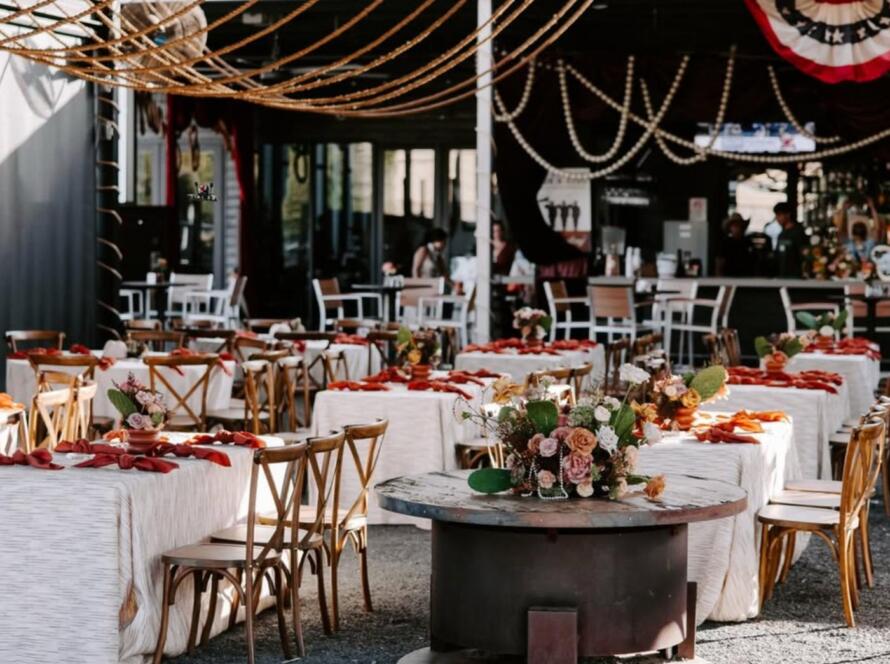

A crowded ballroom can derail a polished event quickly, especially when the corporate event layout Houston planners rely on is not properly designed. Most layout problems show up before the program even starts, usually at the registration desk, around buffet lines, or in seating areas where guests cannot see the stage.
Corporate event layout planning is what turns a room into a functional experience. In Houston, TX, that means balancing tables, seating, and guest flow with venue size, traffic timing, weather backup plans, and the expectations of a diverse attendee mix.
In Houston, TX, successful corporate event layout planning also depends on working with experienced staff, reliable partners, and a convenient location that supports guest arrival, staging, and service coordination.
Why Event Layout Planning Matters for Houston Corporate Events
Layout affects more than appearance. It shapes guest comfort, networking, visibility, timing, and how smoothly staff can deliver service.
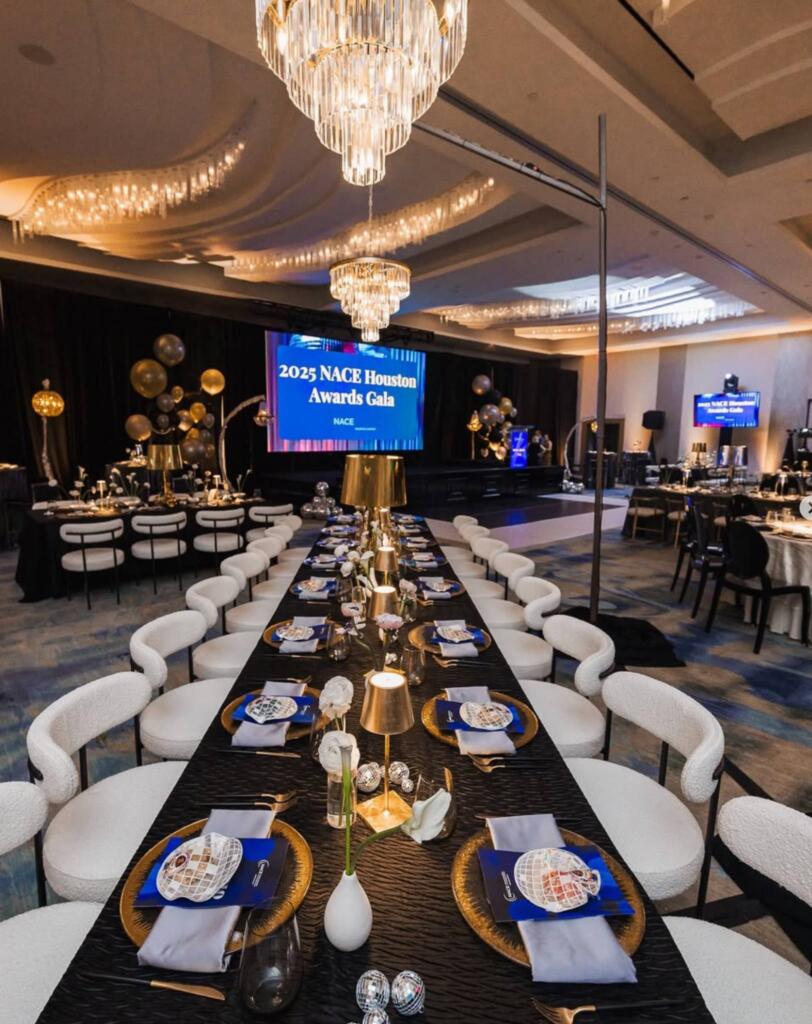
A training session needs note-taking space and strong screen placement. An awards dinner needs clear sightlines, service lanes, and VIP seating that feels intentional without creating access problems.
The right event table layout should support the purpose of the event, not fight against it. Corporate meetings, galas, conventions, expos, fundraisers, and executive dinners all require different room logic.
In addition, layouts should align with full-service catering, event production, and any custom fabrication elements such as branded installations or stage builds.
Houston adds another layer. Many venues have large footprints, mixed indoor-outdoor areas, heavy valet demand, and arrival patterns shaped by traffic from Downtown Houston, the Galleria, Uptown, and the Energy Corridor.
What Good Guest Flow Looks Like
Good guest flow means people can move from check-in to seating, food service, restrooms, and exits without hesitation. Guests should not have to stop and decode the room.
The best layouts reduce bottlenecks near bars, buffets, presentation areas, and entry doors. They also create natural movement between networking zones and seated areas without chaos.
Common Problems Caused by Poor Layouts
Poor layouts create crowded aisles, blocked sight-lines, noise spillover, and dead corners where no one wants to stand. They also lead to confusion when table numbers are hard to find or an event seating chart is not visible, especially when the corporate event layout Houston planners rely on is not clearly structured.
Underused space is another common issue. A room can look full near the front and empty in the back, which hurts interaction and makes the event feel uneven, even when the overall corporate event layout Houston plan appears correct on paper.
Start With Event Goals, Venue Limits, and Headcount
The floor plan should start with the event format. A product launch, holiday party, conference, gala, or executive meeting each needs a different balance of seating, circulation, and presentation space.
Headcount matters, but it is only one piece. You also need to match the layout to agenda length, AV needs, catering style, decor plans, rental inventory, and ADA access, since a plated dinner, classroom session, and networking-heavy program each need different spacing and circulation.
Venue constraints should be audited early. Columns, low ceiling points, ballroom air walls, loading access, power drops, and fire code capacity all affect what is realistic, including where stages, screens, buffets, and service lanes can actually fit.
If your team is comparing planners or production support, reviewing firms that specialize in business event planning and management can help clarify what should be handled before design begins.
f your team is comparing planners or production support, reviewing firms that specialize in business event planning and management can help clarify what should be handled before design begins, along with following recognized industry standards for event planning.
Questions to Answer Before Designing the Floor Plan
How many guests are expected, and how many are VIPs, speakers, sponsors, or media? Those categories often affect both proximity to the stage and arrival timing.
Will the room prioritize dining, presentations, networking, or all three? If the answer is all three, the layout needs zones instead of one uniform setup.
Houston Venue Factors to Check Early
Parking and valet can affect arrival flow as much as the room itself. A beautiful private venue still struggles if guests stack up outside because check-in starts too close to peak arrival.
Distance matters too. Guests traveling from Downtown Houston, the Galleria, or the Energy Corridor may arrive in waves, which changes how you plan entry points and way-finding.
Capacity rules also vary by venue type. Ballrooms, expo halls, and private dining rooms may all advertise flexible numbers, but usable capacity depends on stage footprint, service style, and aisle spacing, so planners should confirm capacity against the actual floor plan rather than the venue’s maximum posted number.
Choose the Right Table Layout for the Event Type
Table shape changes how people talk, eat, take notes, and view the room. It also affects room density, staffing routes, and whether the event feels formal or open, which is why a well-planned corporate event layout Houston strategy matters.
Round tables are a common fit for banquets and galas because they support conversation. Rectangular tables can increase capacity and create a cleaner grid for workshops or modern networking formats within a corporate event layout Houston plan.
Many corporate events work best with a mix. You might use banquet layout seating in the main room, cocktail tables in pre-function space, and lounge furniture near sponsor activations, all coordinated within the overall corporate event layout Houston design.
Common setups include banquet layout for full-table dining, classroom layout for note-taking and forward-facing content, and cabaret seating for stage visibility with partial table seating, depending on the corporate event layout Houston approach.
For a deeper comparison, this guide on choosing between round and rectangular table setups for Houston events is useful when capacity and guest interaction are both priorities.
Round vs. Rectangular Tables
Round tables create balanced seating and make conversation easier across the group. They are common for dinners, galas, and recognition events where the table experience matters.
Rectangular tables use space efficiently and can support classroom layout formats, workshops, and team sessions. They also fit well in customizable spaces where the room is narrow or segmented.
Round tables can reduce total capacity compared with rectangular tables. Rectangular tables can feel less social if guests are seated in long rows without enough cross-table interaction.
When to Use Specialty Layouts
Cabaret seating works well when guests need both table access and strong stage views. By removing chairs on the side facing the stage, you improve sightlines without losing the social feel of table seating.
Cocktail tables are ideal for receptions, sponsor showcases, and pre-function areas. They encourage movement and short conversations, which is useful for product launches and mingling-heavy events.
Build a Seating Plan That Supports Comfort and Networking
Seating should be strategic, not random. A strong event seating chart reduces confusion, speeds up arrival, and supports better conversations during the event.
Place executives, clients, sponsors, and internal teams with purpose. Good seating balances relationship-based comfort with opportunities for new introductions.
Accessibility also needs to be built in from the start. That includes ADA access, companion seating, easy restroom routes, and enough space for guests to move in and out comfortably, with final layouts checked against the venue’s actual access routes and setup constraints.
If the event has a premium guest list or executive audience, examples from Houston events designed for elevated client and leadership experiences can help frame seating expectations.
Who Should Sit Where
VIP seating should allow quick access to the stage, hosts, and key guests. Speakers should not have to weave through packed aisles moments before they are introduced.
Avoid isolating solo attendees at half-empty tables. If networking is a goal, do not cluster all internal teams together while clients and prospects sit separately.
How to Make Seating Charts Easier to Use
Use visible table numbers and an alphabetical escort display near entry. Staff support at the welcome point can prevent backups before they start.
Keep naming conventions simple and consistent across printed signage and digital check-in. If the event seating chart says Table 12, every sign in the room should say Table 12.
Design Guest Flow From Arrival to Exit
Guest flow is the full movement path from parking to departure. It includes arrival, registration, welcome drinks, seating, food and beverage access, restrooms, networking zones, and exits, all of which should be considered within a strong corporate event layout Houston plan.
Protect main circulation paths with enough aisle width for guest movement, chair pull-out space, service staff, and ADA access. This is where many layouts fail, especially when rooms are filled to theoretical capacity instead of functional capacity during arrival, meal service, and dismissal in a corporate event layout Houston setting.
Separate high-traffic functions whenever possible. Check-in, bars, buffets, and photo moments should not compete for the same footprint, which is essential for maintaining an efficient corporate event layout Houston design.
High-Traffic Zones to Manage Carefully
Registration desks, buffet lines, bars, stage-front areas, and restroom corridors need extra planning. These zones create pressure points during arrival, breaks, and dismissal.
Entry and exit routes should remain intuitive even when the room is full. Guests should not have to cut through service lanes or squeeze behind decor installations.
Flow Tips for Houston Venues
Houston venues often have larger ballrooms and convention-style footprints. That means guests may need stronger wayfinding, especially when moving between pre-function spaces and the main room.
Covered transitions matter too. Heat, rain, and hurricane-season disruptions can quickly change how guests move between valet, tented areas, and indoor spaces.
Coordinate Layout With Catering, AV, and Production
A floor plan that ignores event production usually causes delays. Catering, AV, lighting, screens, and power access all shape where tables should go.
Servers, bartenders, photographers, and tech crews need room to work without interrupting guests. Strong layouts protect branded moments while keeping operations invisible.
This is also where event rentals and rental inventory come into play. The right tables, linens, bars, staging, and decor pieces should fit the room plan rather than being added after the fact.
Screen placement, lighting integration, and digital check-in systems all affect layout and timing by changing power needs, sightlines, and how quickly guests can enter the room.
Teams building a vendor list can benefit from this resource on trusted local partners for Houston corporate events, especially when catering and production need to coordinate tightly.
Food Service and Staffing Impacts
Plated dinners require service lanes wide enough for staff to move quickly. Buffets need queue space that does not block seated guests or restroom access.
Stations should be dispersed when possible. Bar placement should support traffic flow, not create a crowd near the entrance.
Stage, Screen, and Sound Considerations
Avoid seating behind columns or too far from screens. Screen placement should match the depth and width of the room so guests can actually follow the program.
Sound matters just as much as visibility. Speaker placement and microphone coverage should reduce echo and dead zones, especially in a large ballroom or convention hall.
Use Local Houston Context to Improve the Layout
Houston event planning works best when the layout reflects the city itself. Commute patterns, valet demand, venue access, and weather all affect how a room should function within a strong corporate event layout Houston strategy.
Downtown Houston events often need faster entry plans and clearer garage-to-lobby wayfinding. In the Galleria and Uptown, compressed arrival windows can make check-in and bar placement more sensitive, which should be considered in any corporate event layout Houston plan.
In areas such as the Energy Corridor, guest arrival patterns may differ depending on whether attendees are coming from offices or suburban routes. That can affect start times, networking windows, and how long reception areas need to stay active within a corporate event layout Houston design.
Houston also offers a wide range of versatile event spaces. Hotel ballrooms, convention centers, private venue settings, and tented properties all require different layout strategies within a corporate event layout Houston approach.
Local venue guides often highlight hotel ballrooms, private venues, and tenting or production partners because planners need spaces and support teams that can handle customization, service logistics, and weather flexibility when building a corporate event layout Houston experience.
Neighborhoods and Venue Areas That Affect Planning
Downtown Houston may require stronger signage for garage parking and elevator access. Guests often arrive through multiple points, so the welcome sequence must be simple.
The Galleria and Uptown usually benefit from efficient circulation because arrival windows can be short and dense. That is especially true for after-work corporate events.
Climate and Seasonal Planning
Heat and humidity change how long guests want to stand outdoors. Sudden storms can also push a planned outdoor lounge into indoor circulation space.
Keep indoor pathways comfortable and avoid congestion near coat checks, hydration stations, or tent openings. Weather backups should be part of the layout from day one.
Example Layout Scenarios for Common Corporate Events
The easiest way to evaluate a layout is to picture how the event will actually run. Tables, seating, and guest flow should work together from the first arrival to the last departure.
Awards Dinner or Gala
Use round tables in a banquet layout with a centered stage and clear service lanes. A defined reception zone outside the dining area helps separate cocktail traffic from seated service.
Seat executives and sponsors near the front, but leave room for staff, photographers, and presenters to move. Keep buffet lines out of the main sightline if the event includes both reception and dinner service.
Training Session or Meeting
Use classroom layout seating or crescent rounds for note-taking and screen visibility. This setup works well for corporate meetings where content retention matters more than formal dining.
Place refreshments outside the main seating area to reduce noise during presentations. If breaks are short, keep traffic paths direct and easy to read.
Networking Reception or Product Launch
Blend cocktail tables, soft seating, demo zones, and open circulation paths. Guests should be able to move naturally between branded moments, food stations, and conversation areas.
Spread out installations and food service so one corner does not become overloaded. This is especially useful for client-facing events and expos where movement drives engagement.
Mistakes to Avoid When Planning Tables, Seating, and Flow
The most common mistake is overfilling the room. A layout can look efficient on paper and still fail once chairs are occupied, servers are moving, and guests start circulating.
Another frequent issue is ignoring service routes. A beautiful event design loses value fast if catering staff cannot reach tables or if AV access is blocked.
Signage is often underestimated. Even a strong floor plan can create confusion if table numbers are too small, the seating chart is hidden, or exits are hard to identify.
A final walk-through with venue, catering, and production teams catches problems early. It also gives everyone a shared understanding of timing, room turns, and contingency plans.
Too many chairs per table makes dining uncomfortable and slows movement. Blocked exits and poor stage views create frustration that guests remember.
Long buffet lines usually happen when all food and beverage is pushed into one corner. Noise spillover near the stage is another common issue when bars or stations are too close to presentations.
Pre-Event Checks That Prevent Problems
Test aisle spacing, seating chart visibility, ADA access, and timing for room flips. Confirm final counts, VIP changes, and backup plans for weather or late arrivals.
If your team is planning ahead, reviewing what is shaping Houston corporate events this year can also help you align layouts with current guest expectations.
FAQ
How Do You Choose the Best Table Layout for a Corporate Event?
Start with the event goal, guest count, service style, and presentation needs. Round tables fit dining and conversation, while rectangular tables or a classroom layout work better for training and higher-capacity setups.
The best event table layout also depends on the venue’s shape, screen placement, and staffing needs. In many cases, a mixed layout performs better than a single format.
Why Is a Seating Chart Important for a Corporate Event?
A seating chart reduces confusion and speeds up arrival. It also supports VIP seating, sponsor placement, and better networking by grouping guests intentionally.
Without a clear event seating chart, guests tend to hesitate at the entrance or choose seats that do not support the event goal. That can create delays and awkward gaps across the room.
How Much Space Should You Leave Between Tables at an Event?
Leave enough room for chair pull-out space, comfortable movement, server access, and ADA-friendly circulation. Final spacing depends on table size, venue rules, and service style, so it should be tested for real movement with chairs occupied and staff in motion, not just measured on paper.
A packed room may meet fire code and still feel cramped. Functional spacing should always win over squeezing in extra seats.
What Is Guest Flow in Event Planning?
Guest flow is how attendees move through the event from arrival to exit. It covers check-in, seating, food and beverage access, restrooms, networking areas, and departure routes.
Good guest flow feels obvious to the attendee. Bad guest flow creates hesitation, crowding, and delays.
What Are the Most Common Event Layout Mistakes?
Common mistakes include overcrowding the room, blocking sightlines, creating bottlenecks near bars or buffets, and ignoring accessibility. Weak signage and poor service routes also create avoidable problems.
The strongest layouts are tested from the guest perspective, not just drawn to fit capacity. That is how you reduce chaos and create a smoother event experience.