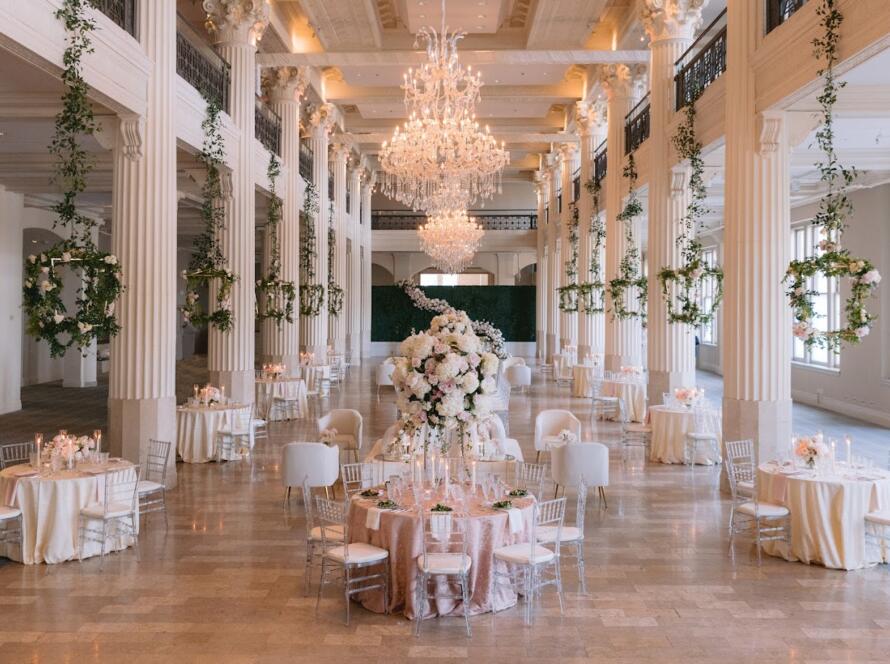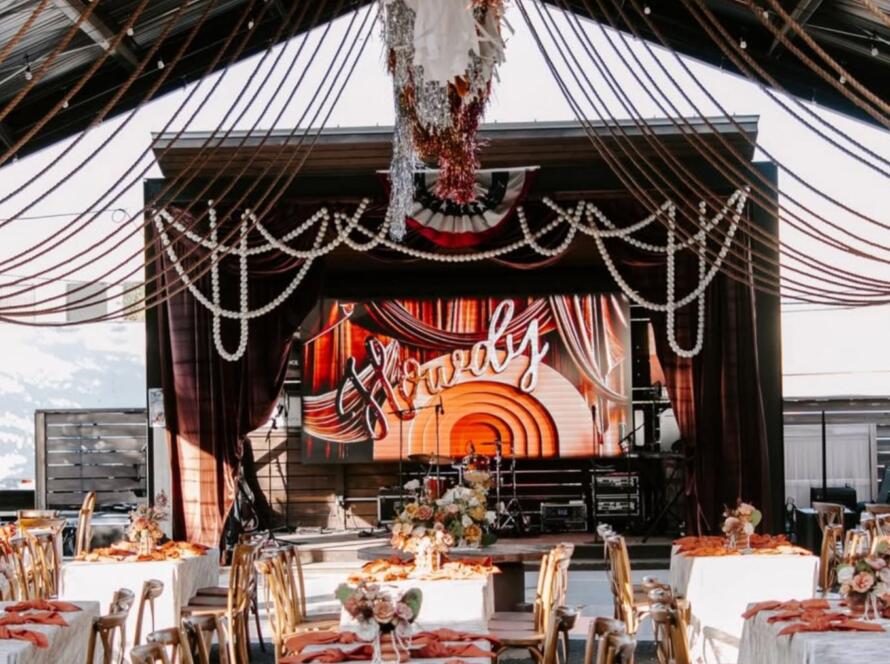

Guests usually cannot name the rental line item that made an event feel expensive, but they immediately register whether the night felt calm, polished, and easy. Understanding What Makes an Event Feel Luxury? The Design Elements Guests Notice Most means studying guest perception, not just decor spend, and that is where strong luxury event design separates itself in Houston. This guide explains which design decisions guests actually notice, from arrival flow and lighting to tablescape texture, hospitality, and content-friendly design.
Define “Luxury” as Effortless Guest Experience (Not Just Expensive Decor)
Luxury event design is not about filling a room with expensive décor. It is about creating an effortless guest experience from arrival through departure. Guests should feel comfortable, guided, and cared for throughout the event. The strongest atmosphere is often built through details people rarely notice, such as smooth transitions, attentive service, and well-maintained guest amenities.
In Houston, that distinction matters. Heat, humidity, traffic, and venue logistics can quickly affect the guest experience. Even a beautiful room in The Heights or Downtown Houston can feel less impressive if guests wait in the sun, struggle to find their way, or encounter long lines at the bar.
One thing we’ve learned from producing events throughout Houston is that guests rarely compliment the most expensive rental in the room. Instead, they remember how the event felt. They notice comfortable seating, thoughtful lighting, attentive service, and a layout that allows them to move naturally through the space. In many cases, those details have a greater impact than any individual décor element.
A Simple Luxury Test: What Feels Smooth, Quiet, and Intentional?
If guests never ask where to go, where to sit, or how to get a drink, the event reads high-end because wayfinding has been solved before confusion begins. The power of restraint shows up here: fewer visual interruptions, fewer conflicting cues, and more confidence in each design choice.
Start With Venue and Arrival: The First 90 Seconds Set the Tone
Arrival establishes exclusivity before guests even enter the main event space. In luxury event design, first impressions often shape how guests perceive the entire experience. Curb appeal, a private entry, streamlined check-in, and thoughtful lighting help create a seamless transition from arrival to celebration.
We often advise clients to treat the lobby as part of the event rather than unused space. A cluttered entry can weaken the overall experience. Natural light helps when available. However, when a venue lacks it, carefully planned lighting should create warmth and atmosphere without feeling theatrical or corporate.
Houston-Specific Arrival Upgrades Guests Notice
In River Oaks and similar valet-heavy environments, shade plans and cooling measures are not extras; they are signals of competence. Fast bar service on arrival, cold water within reach, and service pacing that moves guests inside quickly tell people the event has been engineered around comfort.
Layout and Flow: Spacing, Pathways, and “No-Crowd” Design
Guests often associate spaciousness with luxury, even when the venue size remains unchanged. That is why luxury event design focuses as much on layout as it does on décor. Open pathways, thoughtful crowd flow, and well-placed lounge areas help an event feel comfortable, organized, and exclusive.
At EB Inc Events, we’ve found that overcrowding is one of the fastest ways to make an event feel less luxurious. Many clients initially focus on adding more décor, lounge furniture, or tables, but luxury often comes from giving guests enough space to move comfortably and interact naturally. A well-planned layout can make a venue feel more upscale without increasing the budget.
A successful floor plan gives every area a purpose—welcome, cocktail hour, dining, entertainment, and relaxation. When seating arrangements encourage conversation, service routes remain unobtrusive, and guests never have to navigate around obstacles, the event feels intentional rather than crowded. In our experience, creating breathing room often has a greater impact on perceived luxury than adding more rentals or décor.
Micro-Details That Read Luxury Without Adding Cost
Precision communicates value because people notice alignment even when they do not consciously describe it. Chairs squared to tables, consistent place settings, protected sightlines, and hidden staff crossings make the room feel managed by experts rather than assembled in haste.
Lighting That Flatters People and Photos (Not Just the Room)
Lighting is one of the most important elements of luxury event design. It influences how guests look, how florals appear, and how the entire space is perceived. The most effective lighting plans combine ambient lighting, pin-spot lighting, candlelight, and architectural washes. This layered approach helps flatter guests while giving the room depth and dimension.
Harsh overhead lighting can flatten skin tones and expose operational details that should go unnoticed. That is why luxury events carefully manage color temperature and contrast. Content-friendly design also matters because guests often judge an event through photos and videos. Visible cables, poor lighting angles, and dark shadows can quickly diminish an otherwise beautiful design.
Soundscapes and Music: The Luxury Element Guests Feel Immediately
Music curation affects perceived sophistication before guests analyze decor because sound changes posture, pace, and conversation comfort. Speaker placement and volume discipline are decisive: if people have to shout during cocktail hour, the event feels less refined no matter how strong the visual design is.
Texture, Linens, and Proportion: The “Touch and Scale” Signals
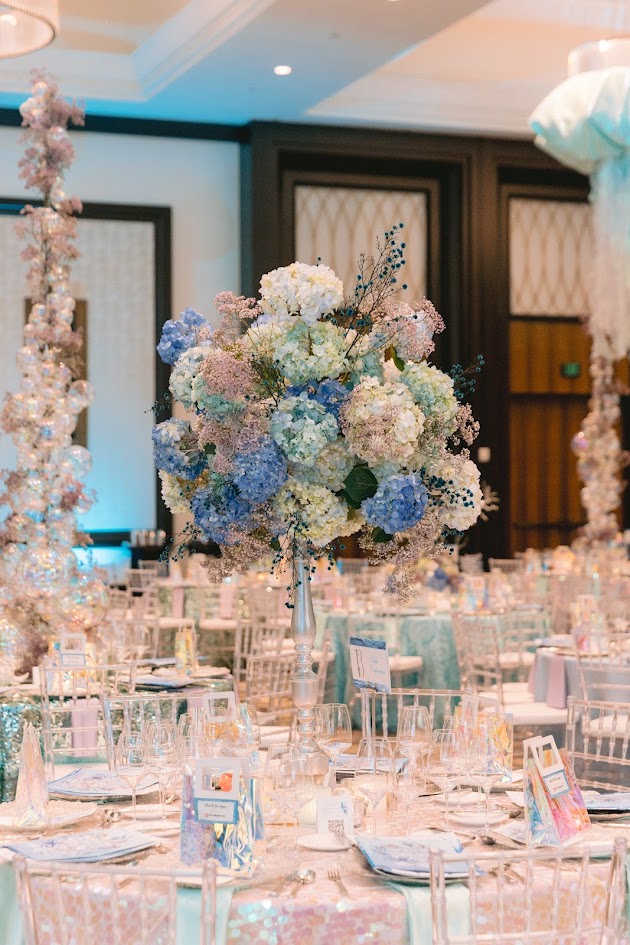
Texture and material selection are important parts of luxury event design because guests often experience them before they consciously notice the overall décor. Quality linens, weighty napkins, refined upholstery, and drape with real body create a sense of richness that glossy statement pieces cannot replicate.
Proportion is equally important. Oversized centerpieces or underscaled staging can disrupt visual balance. A thoughtful tablescape respects table spacing, sight lines, and room volume. For that reason, restraint often feels more luxurious than filling every available surface with décor.
Monochromatic Elegance vs. High Contrast
A restrained palette can feel luxurious when material finishes do most of the work. Matte linen paired with polished glass or velvet paired with stoneware often creates a refined look without overwhelming the space. High-contrast designs can also be effective. However, the color palette should remain consistent across florals, signage, linens, and tabletop details. This consistency helps the entire event feel intentional rather than fragmented.
For a deeper look at fabric and finish choices, our guide on linen rentals and event decor the ultimate guide for houston events explains how textile selection changes perceived quality.
Florals and Installations: Use Focal Moments, Not “More Everywhere”
The best floral design strategy is concentration, not saturation. One strong entry piece, bar statement, or ceiling feature gives guests a memorable focal point, while too many competing installations dilute impact and make experiential design feel noisy.
Luxury also depends on invisible mechanics because exposed foam, taped cords, and obvious rigging break the illusion immediately. In Houston ballrooms, ceiling treatments often deliver the highest visual return because they reduce empty volume and make large rooms feel intentional.
Hospitality Details: Amenities That Quietly Signal High-End
Premium amenities play an important role in luxury event design because guests remember discomfort longer than they remember décor. Spotless touch points, attended restrooms, polished lounge spaces, and attentive food and beverage service all contribute to a more refined experience. These operational details often separate a truly high-end event from one that simply looks expensive.
Privacy also matters more than many clients expect, especially at weddings, galas, and executive functions. Green rooms, private lounges, and discreet VIP circulation protect the guest experience by removing friction from the public floor.
Heat-Ready Hospitality for Houston
Houston hospitality must account for climate with the same seriousness as floral production. Immediate cold drinks, visible water replenishment, fans for outdoor segments, and scheduling that avoids peak heat preserve guest comfort and protect the luxury impression.
Common “Not Luxury” Mistakes (Even With a Big Budget)
The most common failure is over-decorating, because too many focal points create visual noise instead of elegance. Other frequent mistakes include crowded bars, tight aisles, mismatched finishes, inconsistent whites, loud music, glare, and restrooms that feel disconnected from the main event standard.
A Quick Pre-Guest Walkthrough Checklist
Stand at the entry, the bar, and the restrooms because those three points reveal most perception problems first. Then check lighting on faces, confirm conversation-friendly music levels, and remove any object that interrupts flow or visual cohesion.
A Practical Step-by-Step Plan to Design a Luxurious Feel
Start by defining the mood in three words. Then make sure every design decision supports those words. Luxury events often feel disconnected when furniture, florals, lighting, and staging follow different design directions.
Next, map the guest journey from arrival to departure. Focus your budget on the details guests experience most directly, such as seating comfort, lighting, service, and table placement. A thoughtful seating plan can also prevent awkward dead zones and improve the overall flow of the event.
Add one signature moment for memory and photos, then keep the rest cohesive. One of the most common mistakes we see is trying to make every rental item a focal point. Clients researching event design rentals houston 2026, wedding rentals houston, or wedding decor houston often assume more décor creates a more luxurious atmosphere.
In reality, the most successful events usually rely on a clear design vision where furniture, linens, lighting, florals, and décor work together to create a seamless guest experience. Some of the most elegant events we’ve produced used fewer design elements, but every element had a purpose.
The most successful luxury events are designed with an attendees first mindset, ensuring every decision supports comfort, flow, and the overall guest experience.
Houston Event Case Study: When Less Décor Created More Impact
During a Houston ballroom event, the client initially wanted additional décor throughout the room. Instead of adding more pieces, we focused on improving the overall layout. We widened guest pathways, consolidated décor into a few focal areas, upgraded the lounge furniture arrangement, and added layered lighting around key gathering spaces.
The overall décor count actually decreased. However, guests consistently described the event as more elegant, spacious, and exclusive. The result reinforced a lesson we see often at EB Inc Events: successful luxury event design depends on thoughtful planning, guest flow, and intentional use of space. It is rarely achieved by simply adding more décor.
FAQ
What is the 3-5-7 rule in decorating?
It is a styling guideline that groups objects in odd numbers, usually 3, 5, or 7, to create balance and movement. In events, it works well for cocktail table styling, lounge vignettes, and compact centerpieces.
What are key elements of elegant décor?
Elegant decor relies on a cohesive palette, quality textures, correct scale, clean lines, and restraint. It also depends on lighting and layout, because even expensive decor feels less elegant in a crowded or poorly lit room.
What are the five senses of event design?
They are sight, sound, smell, taste, and touch. Luxury aligns all five so the room looks polished, sounds comfortable, smells fresh, tastes considered, and feels physically pleasant.
What is the 70 30 rule in interior design?
It means using about 70 percent of a dominant style or color and 30 percent as an accent. In event design, that ratio helps rooms feel cohesive rather than visually fragmented.
Luxury is usually perceived as calm precision, not visual excess. If the event feels easy from arrival to departure, the design has done its job. At EB Inc Events, we’ve found that the most memorable weddings, corporate events, galas, and private celebrations are rarely defined by a single rental item or design feature. Instead, they succeed because every element works together to create a seamless guest experience. For more event planning and design insights, visit our blog.