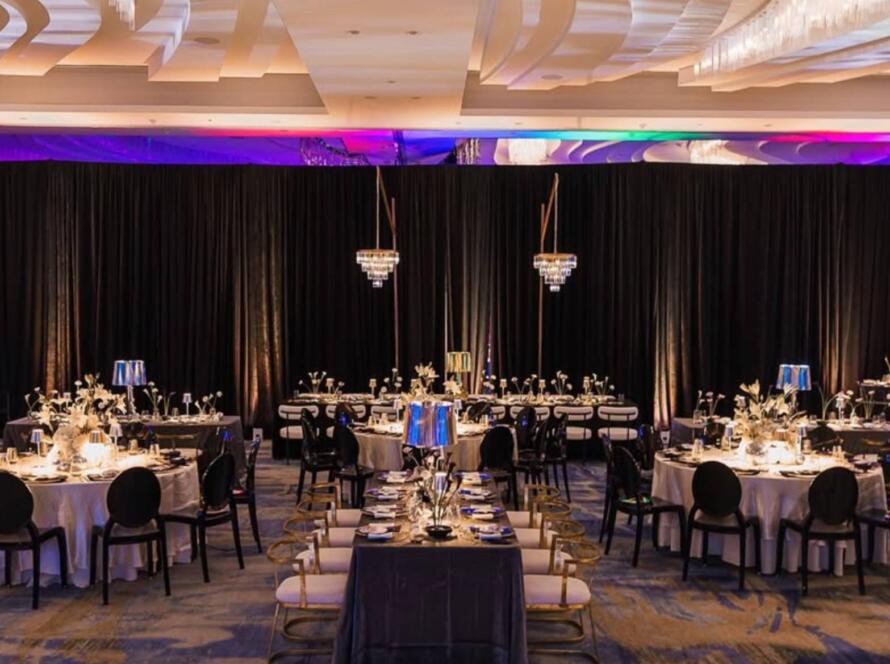

Corporate Event Production Houston services involve much more than delivering tables and chairs. We’ve produced Houston corporate events where the rental order was perfect on paper, yet attendee complaints still rolled in because room flow, sound, sightlines, and wait times were overlooked.
When companies budget for banquet tables and chairs first and space planning second, the floor plan becomes an afterthought. That is how you end up with a packed ballroom that feels empty, or a beautiful setup that turns into bottlenecks the moment check-in starts.
Why Corporate Events in Houston Need More Than Tables and Chairs
The Real Problem: Guests Don’t Complain About Chairs—They Complain About Experience
Most attendee complaints are really friction complaints. People remember that they could not hear the speaker, could not see the projector screens, waited too long at registration, or had no obvious place to network.
A rentals-first budget often creates downstream issues that are expensive to fix late. You see crowding near doors, dead zones where sponsors get ignored, and queue management problems that block attendee movement.
“More than tables and chairs” means designing the full layout configuration around how people move and what they need at each moment. That includes zones, lighting, staging, sightlines, sound reinforcement, wayfinding, and brand moments that feel intentional rather than random.
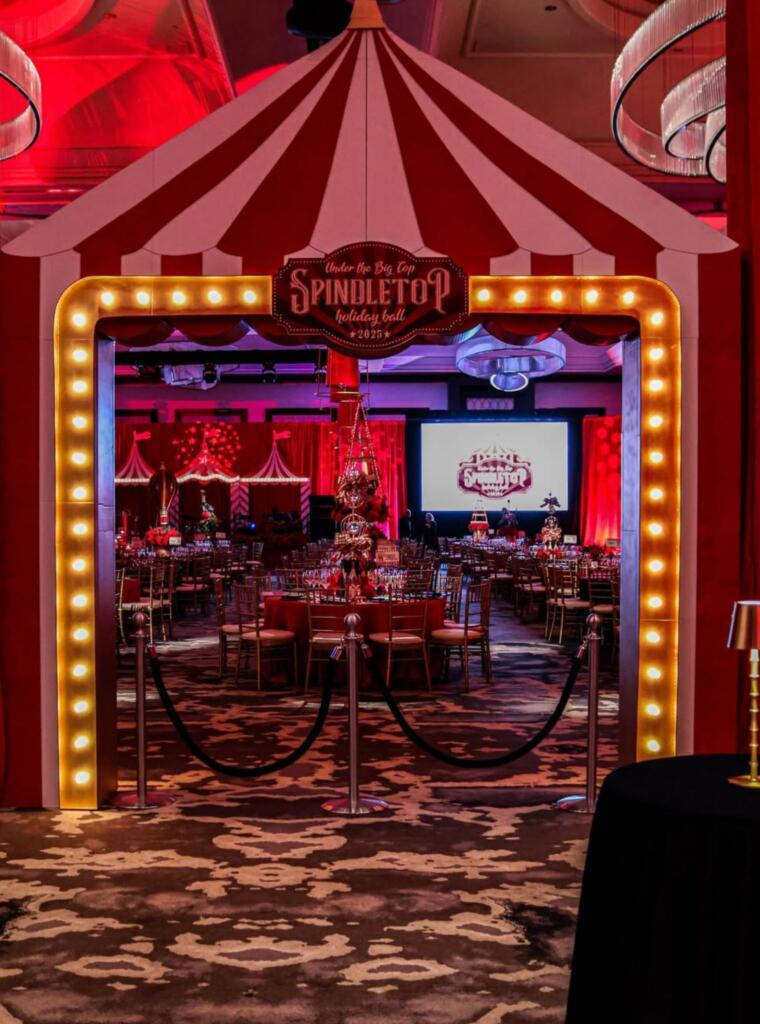
What Attendees Notice First (Even If They Don’t Say It)
Room flow shows up immediately. If guests cannot move, mingle, and find what they need quickly, they assume the event is disorganized even if the program is strong.
Comfort signals matter just as much as furniture count. Lighting, temperature, acoustics, and small places to pause like lounge pockets change how long people stay and how open they are to conversation.
Houston-Specific Context That Raises the Stakes
Houston heat, humidity, and sudden storms punish outdoor and semi-outdoor plans that ignore shade and covered transitions. For hybrid spaces, tents and cooling rentals are not “nice-to-haves,” they are often the difference between guests staying or leaving early.
Traffic patterns around Downtown Houston and The Galleria also change what “on time” looks like. When arrivals are staggered, fast check-in, clear signage, and obvious wayfinding keep late arrivals from clogging the entry.
This is where Corporate Event Production Houston services become valuable because they address attendee flow, logistics, AV coordination, and guest experience before problems affect the event.
Start With Objectives and Movement, Not a Rental List
Event objectives should dictate the physical design. A recruiting mixer, a fundraising gala, a leadership town hall, and a product launch all need different capacity planning, staging priorities, and networking zones. Many of these event design principles apply regardless of event size or venue.
Map the attendee journey like a route, not a schedule. Think arrival → registration → main session → breakouts → food → networking → exit, then design each transition so it does not collide with another one.
Zones prevent congestion and create intentional “collisions” for networking. When you give people multiple reasons to move, the room stays energetic without feeling overcrowded.
If you need a starting point for space planning, our team shares examples and planning considerations on our page about building a strong room layout for Houston corporate events.
A Simple Planning Sequence That Prevents Layout Regrets
Define outcomes and KPIs before you sketch a floor plan. Track what matters for your event, such as attendance, dwell time in sponsor areas, lead capture, session completion, and post-event NPS.
Build the floor plan next, then select furniture quantities and styles that support it. This is where guest count meets real math like table surface per guest, aisle widths, and how many people can circulate without stopping.
Room Flow Basics That Change Everything
Protect main aisles and cross-aisles. Most choke points happen near bars, buffets, doors, and restroom corridors, so the floor plan has to keep those areas clear.
Place high-demand functions so lines do not cut through networking. Registration, coffee, and restrooms should be easy to find, but not positioned where a queue blocks the room’s primary circulation.
Design the Floor Plan: Zones Beat Rows of Seating
A single seating type often underperforms for corporate events because business goals change throughout the agenda. “All banquet” can kill sightlines and limit capacity, while “all theater seating” can weaken networking and reduce table surface per guest when people need laptops.
A better approach is a mix that matches the program. Use theater seating for content, cocktail tables for quick conversations, and lounge furniture for longer conversations that actually convert into relationships.
We recently worked on a Houston corporate event with more than 200 attendees where separate networking, presentation, and food-service zones helped improve guest movement throughout the venue. Instead of creating congestion around registration and food stations, guests were able to move naturally between activities while maintaining clear access to key event areas.
Zoning also solves the “full vs crowded” paradox. The same ballroom can feel alive with 250 guests or chaotic with 150 guests depending on layout configuration, aisle protection, and where you place high-demand touch-points.
This is one reason Corporate Event Production Houston professionals focus on zoning, traffic flow, and attendee behavior instead of simply maximizing seating capacity.
Core Zones Most Houston Corporate Events Need
Registration and a welcome zone should have clear entry and exit paths. Place sponsor placement and branded elements where every guest passes naturally, not tucked behind a line.
A networking zone needs a deliberate mix. High-top clusters, cocktail tables, and soft seating keep people from hovering at the perimeter and make it easier for new conversations to start.
Seating Style Choices and When They Work
Classroom-style seating supports note-taking and laptops, but it requires more table surface per guest and more square footage. If your agenda includes workshops, panels with slides, or training, this layout often improves guest engagement.
Rounds and banquet tables support meals and discussion, but they can create sightline issues if the stage is low. Theater seating maximizes capacity for keynotes, yet you will still want cocktail tables outside the seating area so networking does not die between sessions.
Make Presentations Easy to See and Hear (AV and Sightlines)
We can usually predict low engagement within the first five minutes of a keynote. If sightlines are blocked, audio is thin, or glare hits the screens, people check out even if the speaker is great.
Match staging and projector screens to room depth and seating layout. A screen that looks fine from the front third of the room can be unreadable from the back if the font is small or the screen size is mismatched.
Venue accessibility is part of AV planning, not a separate checklist. Captions, mic coverage, and clear pathways matter for inclusivity, and they also reduce distractions for everyone.
Strong Corporate Event Production Houston planning ensures staging, screens, lighting, and audio systems work together so every attendee can clearly see, hear, and engage with the content regardless of where they are seated.
Sightline and Screen Placement Rules of Thumb
Avoid tall centerpieces, pipe and drape placements, or sponsor towers that block screens. If branding competes with visibility, the audience loses and the brand loses too.
Use confidence monitors and appropriate stage height to reduce neck strain. When the stage is too low, the audience ends up watching heads instead of content.
Audio, Acoustics, and the Networking Tradeoff
Plan sound reinforcement so the back of the room is not lost. You also want to avoid hot spots near speaker stacks where the volume is uncomfortable.
Use zoning and timing so networking areas do not compete with keynote audio. If the bar is open during content, place it behind acoustic breaks or outside the main seating footprint, then staff it to serve fast during transitions.
Reduce Lines and Dead Time: Registration, Food, and Transitions
Long lines feel like “bad organization” even when everything else is premium. Guests rarely say “queue management,” but they will describe the same problem as “chaotic,” “understaffed,” or “hard to find.”
Fixes are usually simple when planned early. Multiple touchpoints, staggered breaks, and distributed stations reduce bottlenecks far more than adding more banquet tables.
Staffing and signage are invisible rentals that matter as much as furniture. A clean wayfinding plan can save you from hiring extra staff just to answer directional questions.
Effective Corporate Event Production Houston planning addresses these operational details before event day, reducing bottlenecks and creating a smoother experience for attendees from arrival through departure.
Registration That Doesn’t Bottleneck the Lobby
Use multiple check-in points and pre-sorted badge pickup. Keep queues off main walkways so arrivals do not block people trying to enter the event.
Add clear signage and a decompression area right after check-in. Coffee plus small standing clusters gives early arrivals something to do besides forming a second line inside the room.
Food and Beverage Layout That Keeps People Moving
Distribute bars and buffets instead of forcing one main line. A single buffet against a wall can turn into a 20-minute wait that steals time from networking.
Add cocktail tables near service areas to prevent “plate balancing” traffic jams. People need a place to land for two minutes, or they will stop in the aisle and create a human roadblock.
Use Lighting, Branding, and Lounge Furniture to Drive Engagement
Lighting changes behavior. Bright, flat house lights make a ballroom feel like a cafeteria, while intentional lighting creates focus for content and warmth for conversation.
Branded elements work best when they support movement and photos without interrupting flow. Brand activations should feel like part of the environment, not obstacles placed in the middle of an aisle.
Purposeful furniture beats more furniture. A few well-placed lounge furniture clusters can increase dwell time, improve networking quality, and keep guests in the space longer than another dozen extra chairs.
For teams aiming for a more elevated look and tighter production integration, you can see how we approach premium builds on our page about producing elevated corporate experiences in Houston.
Brand Touchpoints That Don’t Feel Like Ads
Create an entry moment that moves fast. A step-and-repeat or branded arch works when the photo flow is quick and does not block the doorway.
Use a strong stage backdrop and directional signage that guides people while reinforcing identity. When wayfinding and branding work together, guests ask fewer questions and sponsors get more visibility.
Lighting That Changes Perception of Space
Use uplighting and pin spots to define zones and reduce the “empty ballroom” feeling. This is one of the fastest ways to make a large room feel intentional without adding walls.
Use warm lighting for lounges and brighter task lighting for registration and expo areas. Guests should feel the difference between “work” zones and “conversation” zones without reading a sign.
Houston Logistics: Venues, Weather, and Practical Constraints
Houston venues can be deceptively complex once you get into load-in docks, freight elevators, and strict access windows. Some spaces have union rules depending on the venue, and that can affect rigging, staging, and AV labor plans.
Weather planning needs more than a rain plan. If you are doing outdoor or semi-outdoor spaces, tents, shade, cooling rentals, and covered walkways should be decided early so power, flooring, and traffic paths stay safe.
Coordinate early with venues and event rentals partners so day-of surprises do not force bad compromises. A last-minute screen move because of a column can break sightlines for half the room.
If you are building a vendor team for Houston, this resource can help you coordinate the right partners for production, rentals, and logistics.
Venue Considerations That Affect Layout Choices
Ceiling height, columns, and rigging points impact screens, lighting, and stage placement. A beautiful room can still be a challenge if the best screen location is blocked by architecture.
Power distribution and internet reliability affect registration, demos, and hybrid streaming. If your check-in runs on tablets or your product launch depends on live demos, test connectivity and plan backup options.
Outdoor and Semi-Outdoor Events: Comfort Is the Experience
Prioritize shade first, then cooling rentals. Plan around peak heat when possible, because a 3 p.m. outdoor program in August changes guest engagement no matter how nice the furniture looks.
Add hydration stations and quick-serve cold drinks. It reduces discomfort, reduces complaints, and keeps people from disappearing into the venue to cool off during key moments.
Common Mistakes to Avoid (and What to Do Instead)
Over-ordering rounds and under-ordering cocktail tables is one of the most common misfires we see. It looks “complete” in a rental quote, but it strangles networking and creates awkward gaps in the agenda.
Ignoring aisles is another high-impact error. The room can meet the guest count on paper, yet feel crowded because attendee movement has no clear paths.
Registration placed in a narrow foyer creates instant bottlenecks. Even a well-staffed check-in cannot overcome a space that physically cannot hold a queue.
Mistake: Filling the Room With Seating Before Designing the Program
Lock the agenda design and traffic patterns first, then choose seating styles by segment. A keynote, breakout, and networking hour should not all share the same layout.
Reserve space for sponsor activations, lounges, and circulation. If those areas are not protected early, they get squeezed out when capacity planning gets tight.
Mistake: Treating Networking as “What Happens in the Gaps”
Create dedicated networking zones with cocktail tables and lounge clusters. People network where you make it easy, not where you hope they will.
Use lighting and signage to pull people into underused areas. A dim corner becomes a popular lounge when it is lit warmly and clearly labeled as a conversation space.
For teams that want to stay ahead of what guests are responding to right now, our roundup of what’s shaping corporate events locally is here.
The most successful Corporate Event Production Houston projects combine strategic planning, guest experience, AV coordination, branding, and event rentals into one cohesive environment rather than treating them as separate elements.
A Practical Checklist: What to Add Beyond Tables and Chairs
A strong event experience is usually the result of a few unglamorous decisions made early. Use this checklist to complement rental counts with the pieces that protect flow, comfort, and guest engagement.
Experience-first planning checklist
- Confirm event objectives and the top KPIs you will measure
- Build a floor plan that supports attendee movement and protects main aisles
- Validate capacity planning against the real guest count, not the venue’s maximum
- Choose seating types by agenda segment (theater seating, classroom-style seating, rounds)
- Confirm table surface per guest for any session that involves laptops, note-taking, or meals
- Plan staging, projector screens, microphones, and sound reinforcement for the back of the room
- Add wayfinding and signage from parking to check-in to sessions
- Design queue management for registration, bars, buffets, and restrooms
- Add cocktail tables and lounge furniture where you want conversations to happen
- Use lighting and uplighting to define zones and create photo-friendly brand moments
- Confirm venue accessibility routes, captioning needs, and clear pathways
- Plan weather protections with tents, shade, and cooling rentals if outdoors
- Align load-in, power, internet, and labor rules with the venue before ordering inventory
Experience-First Additions That Usually Pay Off
- Stage, screens, microphones, and lighting matched to room size and agenda
- Cocktail tables, lounge furniture, and clear signage that supports flow and networking
- Branded elements and brand activations placed where people naturally pause for photos
- A floor plan that protects circulation and prevents bottlenecks at high-demand points
Final Pre-Order Questions to Ask
Where will lines form, and where will people linger, and do those areas have space? If you cannot answer that from the floor plan, the room will decide for you on event day.
Can every guest see the screen, hear the speaker, and find the next step without asking staff? If not, fix sightlines, sound reinforcement, and wayfinding before you finalize event rentals.
FAQ
How Many Tables and Chairs Do I Need for 100 Guests?
It depends on seating style and your agenda design. Theater seating uses chairs only, banquet seating typically fits 8 to 10 per round, and classroom-style seating needs more table surface per guest because each person needs workspace.
Start with your floor plan and the segments of your program, then confirm final counts with your rental partner. This prevents over-ordering banquet tables when you actually needed more cocktail tables for networking.
What Are the Top 5 Most Important Aspects of Organizing an Event?
- Clear event objectives tied to measurable KPIs
- A functional floor plan with strong room flow and protected aisles
- Reliable AV, including staging, projector screens, microphones, and sound reinforcement
- Smooth registration, check-in, and queue management
- A guest comfort plan, including seating mix, lighting, temperature control, and food and beverage flow
Is a Table and Chair Rental Business Profitable?
It can be, but profitability depends on utilization rate, delivery logistics, inventory durability, storage costs, and consistent demand from venues and planners. The margin is often won or lost in transportation efficiency and how often inventory turns.
From the production side, we see the healthiest rental operations treat inventory like a system, not just a warehouse. Maintenance, standardized packs, and accurate load plans protect both profit and service quality.
What Are the Benefits of Hosting Special Events?
Special events strengthen relationships in a way emails and meetings rarely can. They also increase brand visibility, generate leads, support recruiting, and create shared experiences that improve retention and loyalty.
For internal teams, employee appreciation events and town halls can reset culture fast when the environment supports real conversation. For external audiences, a well-designed product launch or client event often shortens the sales cycle because trust forms in person.
When You’re Ready to Build the Experience, Not Just the Setup
Tables and chairs are the baseline for corporate events, not the strategy. The strategy is how your guests move, where they connect, what they hear, what they see, and how your brand shows up without getting in the way.
That is why Corporate Event Production Houston services focus on the complete attendee experience, combining event design, AV integration, logistics, branding, and rentals into a coordinated plan that supports business objectives.
If you want support with event rentals, production, and design that’s built around flow, AV integration, and guest engagement, connect with EB Inc Events. You can also explore how we partner with Houston teams as one of the local groups that supports corporate programs end-to-end.