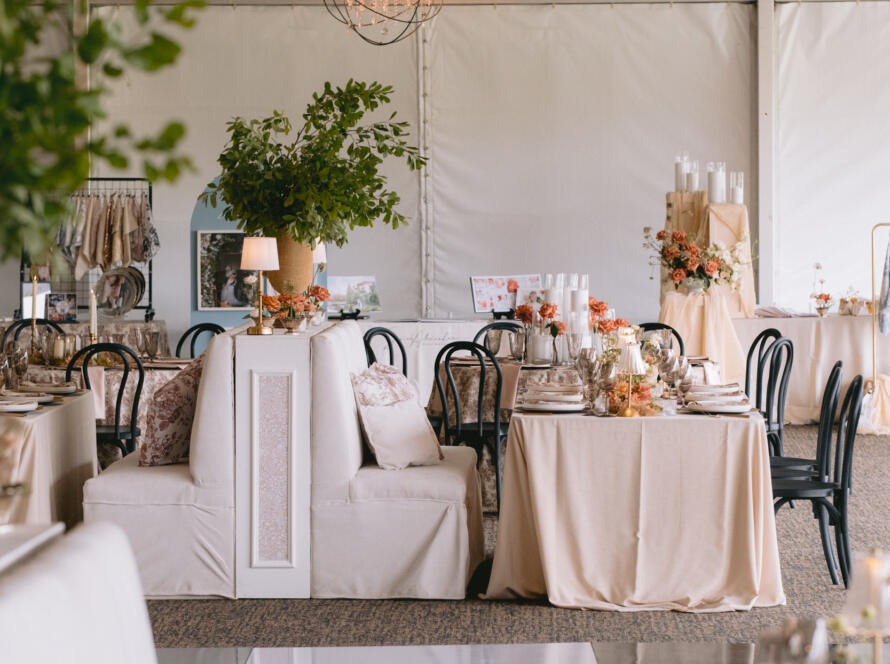

A well-planned event can still go off track when the rental details are wrong. Understanding Common Event Rental Mistakes That Can Delay or Ruin Your Event helps explain why missed items, wrong sizes, and poor timing often create bigger problems than people expect.
At EB Inc Events, we’ve seen how small rental decisions can impact the entire experience. Event rentals influence the timeline, guest comfort, safety, vendor coordination, and the way a venue actually functions. This guide covers the most common rental mistakes and shows how to prevent them before event day.
Introduction: Why Rental Mistakes Cause Bigger Event Problems
Many hosts think rentals are just tables, chairs, and linens. In reality, they affect the seating plan, event flow, catering access, décor execution, and whether guests feel comfortable from arrival to departure.
A small ordering error can trigger setup delays, extra delivery fees, service problems, or a poor guest experience. The goal is prevention, because the right rental plan protects your timeline, budget, and overall event planning process.
How Rental Decisions Affect the Entire Event
One rental choice can affect the caterer, florist, AV team, and venue staff at the same time. If tables are too large, the buffet line may not fit, the bar area may feel cramped, and service paths can break down.
The same is true for tents, staging, dance floor placement, cocktail tables, and lounge seating. A single wrong order often creates a chain reaction across weather coverage, décor, setup, and vendor coordination.
Booking Too Late
Last-minute bookings are one of the most common rental mistakes, especially during peak season. Popular dates, specialty items, custom linen colors, tents, and luxury furniture are often reserved far in advance.
Waiting too long reduces your options and increases the chance of substitutions that do not match your event goal. Once the venue, date, and rough guest count are confirmed, reserve the core rentals right away.
What To Book First
Start with infrastructure before decorative upgrades. Tents, tables, chairs, staging, dance floors, and any custom pieces should be secured first because they affect layout, service style, and weather protection.
After that, move to linens, lounge seating, and design-driven additions. If you need inspiration for fabric choices, this guide to linen rentals and event decor the ultimate guide for houston events can help narrow options early.
Guessing on Guest Count and Rental Quantities
Ordering from a rough estimate is one of the most common event rental mistakes, often leaving an event short on chairs, place settings, cocktail tables, or banquet chairs. It can also lead to over-ordering, which wastes money and makes the venue layout feel crowded.
Guest count alone does not determine the right rental quantities. You need to consider RSVPs, final headcount, event format, staff needs, and how guests will actually use the space.
Why Headcount Alone Is Not Enough
A seated dinner needs different table types and comfortable seating than a cocktail reception or open house. A conference may need classroom tables, staging, Wi-Fi support zones, and more aisle space for accessibility.
Guest behavior matters too. If people will mingle for hours, you may need more cocktail tables, lounge seating, and soft gathering zones than the headcount suggests.
How To Build a Smarter Quantity Plan
Use RSVP checkpoints and set a clear final confirmation deadline with your rental company. Include children, speakers, crew, vendors, and anyone who will be onsite during service or setup.
Build a realistic buffer for late replies and unexpected attendees. For events centered on dining or weddings, resources like wedding rentals houston can help compare common rental quantities by format.
Ignoring Venue Measurements, Layout, and Flow
A room can technically fit enough tables and chairs while still functioning badly. Poor venue measurements can create blocked exits, tight aisles, awkward seating, and slow service around the buffet, stage, or restrooms.
Rental planning should support movement, not just occupancy. Always request a floor plan or scaled diagram and verify room dimensions before placing the order.
Common Layout Problems
Oversized rounds, crowded banquet seating, and random furniture mixes often hurt both comfort and visual cohesion. Guests notice when they cannot pull out a chair easily or when servers cannot move between tables.
Bad event flow also creates bottlenecks at the entry, bar area, buffet, and photo booth. That affects timing, service quality, and the overall guest experience.
Measurements That Matter Most
Check room dimensions, ceiling height, doorway width, elevator size, loading dock access, and parking restrictions before finalizing rentals. Many event rental mistakes happen when these details are overlooked. For outdoor events, confirm surface conditions, slope, drainage, and whether flooring or tent anchoring is possible.
Do not forget space for staging, DJ booths, catering prep, lounge seating, and décor installations. If you are comparing options, blog table and chair rentals near me Houston offers useful context for matching furniture to real layouts.
Assuming the Venue Provides More Than It Does
Many event problems begin with assumptions about venue inventory. Hosts often believe the venue includes enough tables, chairs, linens, power access, Wi-Fi support, or setup labor, only to find gaps days before the event.
A verbal promise is not enough. Review paperwork and get written confirmation that clearly states what the venue provides and what must come from outside vendors.
Questions To Confirm Before Ordering
Ask for a written inventory list, condition standards, setup responsibilities, and exact pickup window rules. Confirm whether venue furniture can be removed if you bring in outside rentals.
You should also define who supplies each category: venue, rental company, caterer, florist, AV team, or event planner. This is where strong vendor coordination prevents duplicate orders and missing essentials.
Overlooking Delivery, Setup, and Access Logistics
Even the correct order can fail if delivery timing is wrong or the site is hard to access. Logistics issues are a major source of day-of delays, surprise labor charges, and rushed setup.
The rental company needs accurate information about access, setup window limits, truck routes, stairs, loading areas, and parking. If any of that is unclear, your timeline becomes fragile.
Logistics Details That Commonly Get Missed
Common problems include restricted access hours, permits, union rules, long carry distances, limited parking, and no nearby loading dock. Outdoor events add more risk when surface conditions are soft, uneven, or unsafe for heavy equipment.
Weather can also affect tents, flooring, and large installations before guests arrive. Unexpected weather should be treated as a logistics issue, not only a décor concern.
How To Prevent Day-Of Delays
Create a shared timeline that includes delivery, setup, styling, vendor arrival, and pickup. Put every access detail in writing, including contact names, gate codes, and approved arrival windows.
Build buffer time for troubleshooting. A practical reference like this event rentals houston guide can help you spot access and delivery questions before they become expensive.
Choosing the Wrong Rental Types or Sizes
Wrong linen sizes, table shapes, tent dimensions, or chair styles can hurt both function and appearance. Product photos often make items look interchangeable when the actual dimensions tell a different story.
Rental choices should match the service style, event goal, and level of guest comfort you want to create. Sample reviews and mock setups can prevent expensive corrections later.
Function Should Come Before Looks
Beautiful rentals still need to support dining, conversation, accessibility, and efficient service. A chair that looks elegant but feels unstable or uncomfortable can damage the guest experience quickly.
The same applies to table types and layout choices. A dramatic setup that blocks service paths or limits comfortable seating is not a successful design.
Items Most Often Ordered Incorrectly
The most common errors involve linens, linen sizes, farm tables, cocktail tables, banquet chairs, lounge seating, heaters, fans, and tent sidewalls. Tents are also frequently undersized because planners forget catering, staging, bars, and walkways.
Always verify exact dimensions instead of relying on photos. If style is a major priority, wedding decor rentals houston can help connect design ideas to practical sizing decisions.
Skipping Backup Plans for Weather and Contingencies
Outdoor events need more than optimism. A weather backup plan should address rain, wind, heat, cold, power concerns, and guest safety before the forecast becomes urgent.
Unexpected weather can affect flooring, seating, tents, and electrical needs. A clear contingency plan reduces stress and speeds up decision-making when conditions change.
What a Strong Backup Plan Includes
A solid plan covers tent options, tent sidewalls, heaters, fans, flooring, drainage, and indoor fallback space if available. It should also include decision deadlines, communication steps, and who has authority to activate the backup.
Do not wait until the morning of the event to decide. The stronger the written confirmation and replacement policy from your rental company, the easier it is to respond quickly.
Trying To DIY Too Much Without Expert Review
DIY planning can work for a small gathering, but complex events usually need expert input. An experienced event planner or rental company can catch spacing issues, quantity gaps, and timing conflicts that are easy to miss.
Professional review is not just about convenience. It is often a form of cost control because it prevents rushed reorders, duplicate rentals, and avoidable labor fees.
When Professional Input Matters Most
Expert review matters most for large guest counts, outdoor events, custom floor plans, multi-vendor production, and tight setup windows. It is also valuable when accessibility, staging, or special service needs must be built into the layout.
A final review before event week can reveal problems while there is still time to fix them. That is far less expensive than solving them during setup.
Final Checklist To Avoid Event Rental Mistakes
The best prevention steps are simple but specific: book early, confirm venue inventory, verify venue measurements, validate rental quantities, and document logistics in writing. Those steps protect event flow and reduce the chance of avoidable delays.
Use a written checklist and schedule one final confirmation call before event week. Strong event rentals planning should support the guest experience first, not just the visual design.
Pre-Event Confirmation List
Reconfirm final headcount, delivery times, access details, setup responsibilities, weather backup plan, and vendor assignments. Verify the setup window, pickup window, and the process for damaged or missing items.
Also confirm replacement policy terms and emergency contacts. Good paperwork and written confirmation make it easier to solve problems fast if something arrives late or incomplete.
You can strengthen your planning process by following a structured event planning checklist, which helps ensure nothing is overlooked before event day.
FAQs
What are the 5 C’s of an event?
A common version is concept, coordination, control, culmination, and closeout. Rentals affect each one because they shape layout, timing, comfort, and execution.
What could go wrong at an event?
Common issues include late delivery, missing rentals, poor venue layout, incorrect rental quantities, setup delays, power gaps, and bad weather. Most can be reduced with earlier planning and written confirmation.
What are the 4 C’s of event management?
Many planners use concept, coordination, control, and culmination. Rental planning supports all four by aligning the vision with logistics, timing, and guest flow.
What are the 5 P’s of event management?
A common framework is purpose, people, place, process, and product. Rentals directly affect place and process while also shaping the final product guests experience.
A successful event rarely depends on décor alone. It depends on whether every rental choice supports timing, safety, movement, comfort, and the people working behind the scenes to make the event run smoothly.