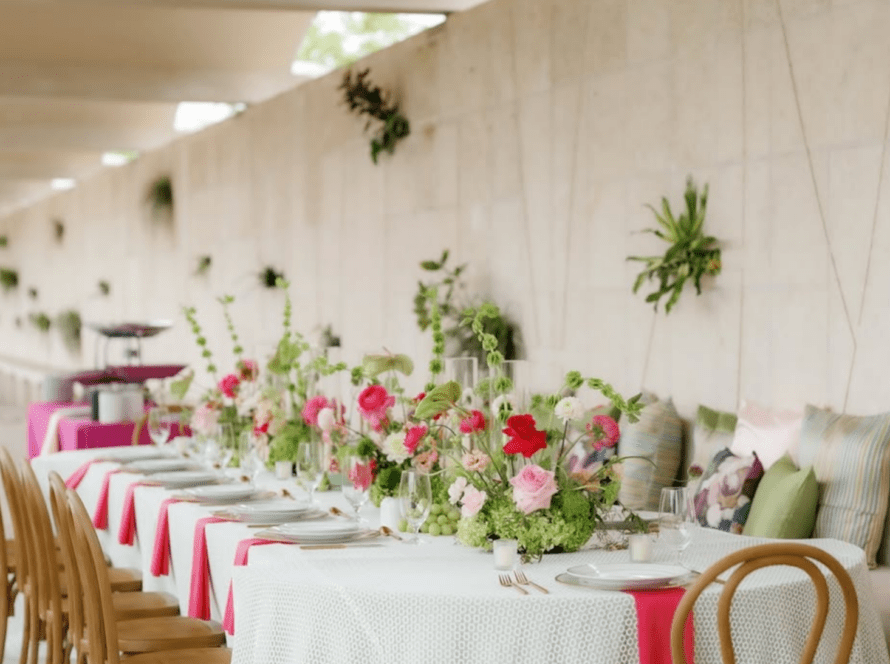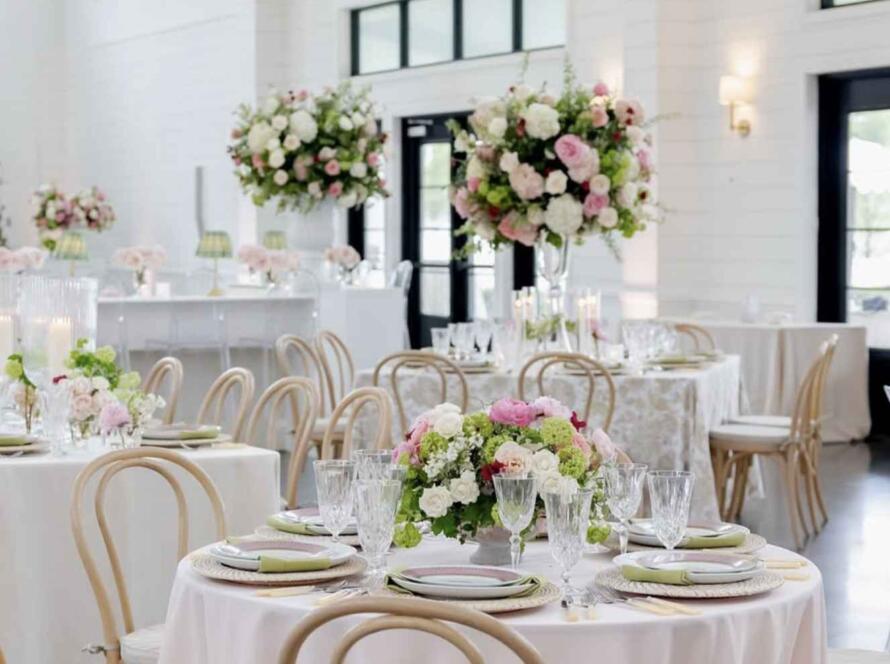

Most couples don’t forget Houston wedding event rentals because they’re careless. Instead, they assume the venue has everything covered, right up until the floor plan and timeline reveal what’s actually missing.
If you’re planning event rentals or party rentals for a wedding in Houston, the overlooked items usually fall into three buckets: comfort (heat, humidity, shade), logistics (power distribution, walkways, restrooms), and finish details (lighting, table linens, and sizing).
Why “Forgotten” Rentals Happen in Houston Weddings
Couples book the big-ticket items first: venue, catering, DJ or band, and photography. Then they assume the venue included items cover the rest, especially tables, chairs, lighting, and a bar setup. That’s where Houston wedding event rentals often get under-planned.
Houston-specific weather conditions make that assumption expensive. Heat, humidity, and Houston storms turn “nice to have” rentals like tent sidewalls, fans, portable AC, and flooring into guest-comfort essentials — especially when coordinating Houston wedding event rentals for outdoor or backyard celebrations.
Guest comfort and logistics also tend to be under-scoped until you finalize the floor plan. Once you map guest flow, you suddenly need pathway lighting, extra seating beyond dining chairs, and safer walkways to restrooms and parking — all critical pieces of Houston wedding event rentals that couples don’t initially budget for.
Quick Self-Audit: What Your Venue Actually Provides
Request the venue’s included inventory list in writing, especially when planning Houston wedding event rentals. Ask for exact quantities of tables, chairs, restrooms, basic lighting, and available power.
Confirm who handles setup and teardown for Houston wedding event rentals. Some venues provide items but require you to move them, while others restrict outside labor or limit when vendors can access the space.
Get clear on venue restrictions that affect Houston wedding event rentals and décor. Common ones include open flame rules, what can be hung from ceilings, rigging points, noise ordinances, and curfews.
If you’re comparing options, it helps to see how full-service wedding rentals packages are typically structured. This overview of what local couples rent most often is a useful baseline before you start calling vendors: see common rental categories for Houston weddings.
The Hidden Costs That Sneak In Late
The quote you like can change fast once the rental contract is finalized. Ask early about every line item that can shift your wedding budget.
Common hidden costs include a delivery fee, a labor fee, after-hours fees, and a damage waiver. Many companies also have minimum order requirements that force upgrades when you only need a few pieces.
Late changes are another budget leak. Once layout needs are confirmed, couples often swap in specialty chairs, add extra lighting, or realize the tent rentals must be larger to cover a dance floor, bar, buffet tables, and lounge zones.
The Most Forgotten Wedding Rentals (And Why They Matter)
Comfort-first essentials get skipped because they don’t photograph like décor. Climate control, shade, and seating beyond dining chairs are what guests talk about on the drive home.
Logistics essentials are missed because they live “behind the scenes.” Power distribution, staging, cable ramps, and signage are the difference between a smooth timeline and a series of small delays.
Finish-level details get overlooked because they seem minor until install day. Lighting design, table linens that actually fit, and the right glassware counts are hard to fix when trucks are already on the road.
Lighting Beyond String Lights
String lights look great in photos, but they rarely solve functional lighting. You need pathway lighting for walkways, parking, bars, and restrooms, plus ambient lighting like uplighting and pin spots to shape the room.
Match lighting to photography needs and venue rules. Ask about ceiling height, rigging points, where you can tape or clamp, and whether lighting must be off by a certain curfew.
Weather Backups for Outdoor and Backyard Weddings
If you’re outdoors in Houston, treat tent rentals as a primary plan, not a backup plan. Size the tent for guest count plus the dance floor, bar setup, buffet, and lounge furniture so you’re not squeezing people under cover.
Then choose add-ons based on month and exposure. Tent sidewalls help with sideways rain and wind, while fans, heaters, or portable AC handle the reality of Houston heat and humidity.
Restroom Plans (Especially Off-Site or Backyard)
Backyard and off-site weddings often underestimate restrooms. Luxury restroom trailers reduce lines, feel safer at night, and prevent guests from trekking into the house.
Confirm ADA access if required, plus water hookup, power needs, and placement. Add nighttime lighting along the path so guests can see where they’re going without using phone flashlights.
Flooring, Dance Floors, and Ground Protection
Grass and uneven surfaces create two problems: sinking heels and unstable tables. Subflooring and flooring protect turf, keep chairs level, and prevent a muddy mess after a sudden storm.
Coordinate dance floor size with guest count and your entertainment footprint. A band, speakers, and a sound system often require more space than couples plan for, especially once you add staging.
How to Build a Rental Checklist From Your Floor Plan (Step-by-Step)
A scaled layout is the fastest way to stop under-ordering. If you can’t sketch it to scale, you’ll miss service stations, bar back space, and how wide walkways need to be.
Convert each “moment” into a rental list: ceremony seating, cocktail hour, reception, and exit. That’s how you catch the items that don’t live in the dining room, like microphones, cable ramps, and pathway lighting.
Use a buffer rule for counts so you don’t pay rush fees. A small buffer percentage on high-risk items is cheaper than a last-minute emergency run.
Step 1: Map Your Zones and Guest Flow
Define zones before you pick rentals. Typical zones include ceremony seating, cocktail tables, dining, bar, buffet, lounge, a photo area, and the exit sendoff.
Mark pinch points where lines form or people slow down. Narrow walkways, bar lines, buffet queues, and restroom access are the usual culprits.
Step 2: Translate Each Zone Into Rentals
For the ceremony, list what guests physically use and what vendors need. That often includes chairs, an aisle runner, an arch, a microphone, speakers, fans, and umbrellas for shade.
For the reception, build from the table outward. Table linens, chargers, tableware, flatware, glassware, votives, a cake table, staging, and power distribution are the items that disappear from budgets until the final walkthrough.
If you want to go deeper on linen sizing, fabric options, and what pairs well with different table shapes, this resource is genuinely helpful: a detailed breakdown of linen and décor options for Houston events.
Step 3: Apply the “30/5 Rule” and a Practical Buffer
Use the 30/5 rule as a planning lens. Protect what guests experience for 30 minutes or more (comfort, food and drink flow, lighting, seating), and prioritize what’s hardest to fix in 5 minutes on the wedding day (power, restrooms, weather cover).
Add 5 to 10% extra for high-risk items like chairs, glassware, and table linens. Calculate your buffer percentage based on staffing levels, venue distance, and how many areas your event layout covers.
Booking Timeline: What to Reserve First in Houston
High-demand rentals book early in Houston, especially on peak weekends. Tents, restroom trailers, and specialty chairs are the categories that disappear first.
Lock essentials before aesthetics. If you book décor first, you risk paying for expensive upgrades later because only premium tent sizes or chair styles remain.
Confirm delivery windows and labor schedules as soon as you have them. Venue access times drive everything, and after-hours labor fee charges add up quickly if you miss the cutoff.
Many Houston venues book 12 to 18 months out for peak weekends. National planning timelines, like this wedding planning checklist from The Knot, recommend securing key vendors early — and rentals should follow immediately after venue selection.
A Practical Order of Operations
After venue, reserve tenting and climate control if needed, then power, then restrooms. Next come tables and chairs, lighting, tabletop items, lounge furniture, and décor.
Finalize quantities after RSVPs, but reserve categories early with estimates. Most rental companies can adjust counts within a window, but only if inventory still exists.
If you’re still deciding between standard seating and upgrades, this breakdown helps you compare what actually changes beyond looks: a local guide to choosing tables and chairs for Houston events.
Questions to Ask Every Rental Company Before You Sign
Ask what’s included versus add-on. Get setup and teardown, strike time, cleaning expectations, and the damage waiver spelled out in the rental contract.
Ask what happens if weather delays delivery, the venue changes access times, or you need quantity changes close to the date. Also confirm whether the delivery fee changes based on stairs, long pushes, elevators, or downtown loading rules.
For couples focused heavily on design, it’s smart to separate “must function” from “must match.” You can browse cohesive styling options through this collection of wedding décor rentals available locally.
Common Mistakes to Avoid (With Houston-Specific Fixes)
Waiting too long to book is the fastest way to lose inventory. Houston peak weekends are competitive, and the leftovers often force compromises that don’t fit your layout needs.
Misjudging space is the second big mistake. If your floor plan is off, you’ll pay rush fees for swaps like bigger tents, extra cocktail tables, or more glassware after the final walkthrough.
Choosing appearance over comfort backfires in Houston. Guests forgive simple centerpieces, but they don’t forget heat, no shade, wobbly flooring, or chairs that hurt during a long reception.
Mistake: Overlooking Power and Load Planning
Bands, DJs, catering warmers, and lighting often exceed standard outlets. One wall plug rarely covers a sound system, uplighting, and food service equipment running at the same time.
Plan generators, distro boxes, and power distribution early. Add cable ramps anywhere cords cross walkways so you stay safer and more code-friendly.
Mistake: Skipping a Weather-Ready Plan
Houston storms can flip timelines in minutes. Sidewalls and flooring keep you operating when rain shows up, and they prevent the “muddy shutdown” that kills the dance floor.
Have a rain ceremony plan that doesn’t require moving rentals mid-event. If the backup plan requires resetting 150 chairs, it’s not a real plan.
Mini Case Study: The “Everything Looked Fine on Paper” Wedding
Problem: an outdoor cocktail hour without shade, insufficient lighting to restrooms, and no cable coverage across a high-traffic walkway. Guests clustered inside early, and the bar line jammed because people avoided the dark path to restrooms.
Fix: add market umbrellas for shade, pathway lighting to restrooms, and cable ramps over the power run. The spend was modest compared to reworking the timeline, and it immediately improved comfort and safety.
FAQ
What Are the Most Forgotten Items for Wedding?
The most commonly missed wedding rentals are pathway lighting for paths and restrooms, weather backups (tents and tent sidewalls), power distribution (generators, distro boxes, cable ramps), extra seating beyond dining chairs, and restroom trailers for outdoor sites. These are easy to overlook because they aren’t part of the “pretty” décor checklist.
What Is the 30/5 Rule for Weddings?
The 30/5 rule is a prioritization tool: protect what guests experience for 30 minutes or more, and prioritize what’s nearly impossible to fix in 5 minutes on the wedding day. In rental terms, that usually means funding comfort, lighting, restrooms, and power before spending on upgrades that are mostly visual.
What Wedding Expenses Am I Forgetting?
Forgotten wedding expenses often include the delivery fee, labor fee, setup and teardown charges, damage waivers, generator and power distribution rentals, climate control (fans, heaters, portable AC), tent sidewalls, and last-minute quantity increases after the final layout. These costs tend to appear after the floor plan is finalized and the rental contract is revised.
How Far in Advance Do Wedding Venues Need to Be Booked?
Many Houston venues book 12 to 18 months out for peak weekends. Secure your venue first, then reserve high-demand event rentals like tents, restroom trailers, and specialty chairs as early as possible, and adjust quantities after RSVPs
If you’re still building the visual direction, it helps to review how designers approach cohesive styling in Houston spaces. This overview of local wedding décor ideas and services can help you separate “nice to have” from “needs to function” before your rental list locks.